Vertical AI Race, New Steel Tariff Adjustments, and the EU AI Act Deferral Strategy

June 2, 2026 | EqualDocs Compliance Insight
As artificial intelligence moves from standalone chatbot platforms to deeply integrated workflow systems, the race to capture the legal and compliance market has reached a boiling point. Today’s briefing analyzes OpenAI’s massive move into legal tech, a fresh European compliance startup exiting stealth, new tariff amendments on U.S. steel and aluminum derivatives, and a proposed timeline shift for the EU AI Act. Here is the “so what” for small and medium-sized enterprises (SMEs) navigating these updates.
1. OpenAI Appoints Ironclad Co-Founder to Lead New Legal Vertical
On June 1, 2026, Jason Boehmig, the co-founder and former CEO of Contract Lifecycle Management (CLM) pioneer Ironclad, announced he has joined OpenAI as Product Lead for its new legal industry vertical. Boehmig’s stated mission is to “build AGI for law at OpenAI.”
This represents a major strategic shift for OpenAI from supplying general foundation models to constructing highly specialized, industry-specific agentic workflows. By hiring a leader who spent a decade building AI-powered contract review systems for enterprises, OpenAI signals its intent to directly capture the legal services market.
The SME Takeaway:
General-purpose LLMs are being replaced by native “legal agents” that understand specific regulatory contexts.
- Contract Action: When purchasing legal technology or CLM software, ensure your vendor agreements contain strong data privacy and sovereignty guarantees. If your legal data is being used to train vertical legal agents, you must secure explicit opt-outs to protect proprietary business models.
2. Bayshore Exits Stealth with €6.9M to Automate Rule-Based Compliance
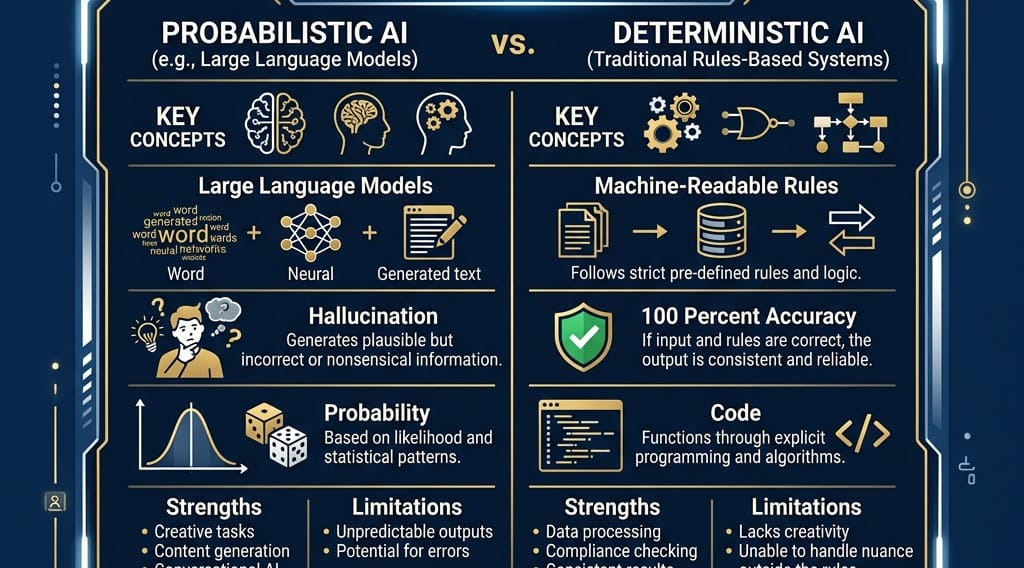
Munich-based startup Bayshore exited stealth mode on June 2, 2026, announcing a €6.9 million seed round led by Earlybird Venture Capital. Unlike probabilistic AI models that can hallucinate or produce inconsistent outputs, Bayshore partners legal experts with engineers to translate complex regulatory rules and internal policies into machine-readable code. This deterministic code is then used to train and constrain AI agents, ensuring 100% compliance accuracy.
The SME Takeaway:
Compliance automation is moving toward deterministic rulesets, which will significantly reduce the cost of regulatory audits for small businesses.
- Contract Action: Audit your software vendor and SaaS agreements. If you are outsourcing compliance tasks to AI platforms, mandate performance SLA clauses that hold the vendor liable for financial penalties resulting from automated compliance errors.
3. U.S. Amends Section 232 Tariffs on Steel and Aluminum Derivatives
Effective June 2, 2026, the U.S. President signed a proclamation adjusting Section 232 tariffs on specific steel and aluminum derivative products. While Section 232 tariffs remain a primary point of contention between the U.S., Canada, and Mexico ahead of the formal USMCA Joint Review starting July 1, 2026, this amendment lowers tariffs on specific mechanical and industrial parts.
The SME Takeaway:
Importers of industrial components should immediately review their customs classifications to take advantage of these lowered rates and prepare for broader USMCA renegotiations.
- Contract Action: Update your logistics and customs broker agreements to include dynamic tariff adjustment triggers. Ensure your contracts specify that any savings from lowered derivative tariffs are passed directly to your business rather than absorbed by intermediaries.
4. EU Proposes Timetable Deferral for High-Risk AI Act Obligations
As organizations prepare for the upcoming EU AI Act enforcement, EU regulators are working on a “Digital Omnibus on AI” that proposes postponing compliance deadlines for high-risk AI systems. Under the proposal, stand-alone high-risk AI system deadlines would shift to December 2, 2027, and embedded systems to August 2, 2028. However, transparency obligations (such as labeling AI-generated content or disclosing human-AI interactions) are still on track to take effect on August 2, 2026.
The SME Takeaway:
While the proposed deferral offers breathing room for complex auditing, the transparency rules are fast approaching.
- Contract Action: Ensure your customer-facing terms of service and vendor contracts require immediate compliance with the August 2026 transparency mandates. AI-generated assets or customer support tools must clearly disclose their AI origin to avoid substantial European regulatory fines.
EqualDocs — Your Digital General Counsel | equaldocs.com