The Rise of Agentic Legal AI, Section 232 Tariff Shifts, and BC Consumer Protection Audits

June 5, 2026 — Welcome to the EqualDocs Daily Brief. Today, we are analyzing critical movements in the legal technology landscape, upcoming tariff adjustments under Section 232, and important consumer protection compliance deadlines in Canada.
Here is the breakdown of today’s key developments and how they impact your business operations and contracts.
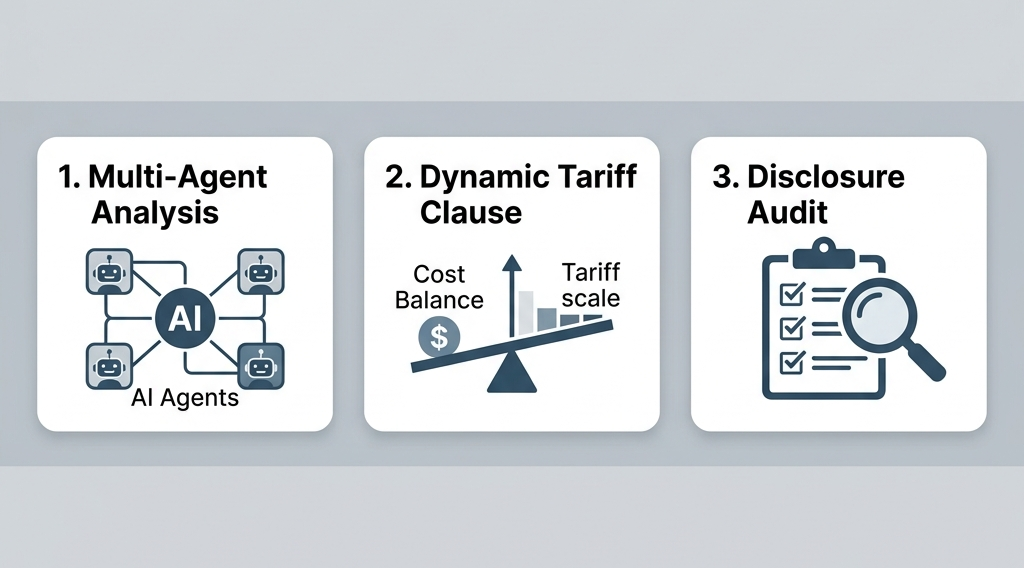
1. The Dawn of Agentic Legal AI: Lavern and “Agentic Templating”
The legal technology sector is moving beyond simple chatbot interfaces and entering the era of Agentic AI. Two major releases this week highlight this transition:
- Lavern: Finnish lawyer and designer Antti Innanen has released an open-source, multi-agent legal system called Lavern. The platform operates a network of 67 specialized AI agents—each trained in specific areas such as document review, regulatory research, and liability auditing—which collaborate to draft comprehensive legal memos.
- DocumentDrafter: The document automation platform has announced the launch of “Agentic Templating.” This technology upgrades traditional document templates into active, self-executing drafting agents that can autonomously retrieve data, evaluate options, and assemble agreements based on commercial inputs.
The “So What” for SMEs and Law Firms
These tools represent a structural shift in how legal work is produced. Instead of relying on manual drafting or simple “fill-in-the-blank” automation, traditional law firms are leveraging agentic workflows to multiply their capacity and speed up delivery times. For SMEs, this means the cost of customized contract drafting and routine research is poised to plummet. When adopting these systems, however, ensure your agreements contain clear terms regarding confidentiality and data security—verify that your uploaded business agreements are not used to train public language models.
2. Dynamic Border Compliance: Section 232 Tariff Revisions Effective June 8
A new presidential proclamation issued this week is set to modify U.S. Section 232 tariffs on steel, aluminum, and copper imports, taking effect on June 8, 2026.
The revisions:
- Adjust tariff rates on specific industrial and manufacturing equipment.
- Modify the required U.S. content thresholds for importers seeking preferential duty rates.
The “So What” for SMEs
If your business is involved in manufacturing, hardware, or cross-border procurement, this is an immediate call to action. With the revisions taking effect in just three days, businesses should audit their importing pipelines. Ensure your purchasing contracts contain Tariff Adjustment Clauses that allow prices to dynamically adjust if customs duties cross predefined thresholds. Don’t let sudden regulatory shifts erode your import profit margins.
3. Canadian Compliance: BC Consumer Protection Act Amendments (BPCPA)
Significant amendments to the British Columbia Business Practices and Consumer Protection Act (BPCPA) are scheduled to take effect on August 1, 2026.
The new regulations mandate:
- Clear Disclosures: Businesses must ensure that renewals, cancellation flows, and refund structures are clearly and consistently disclosed across all purchase channels.
- Prohibition of Restrictive Terms: The amendments reinforce prohibitions on clauses that attempt to ban consumer reviews or enforce mandatory arbitration for specific consumer disputes.
The “So What” for SMEs
If you operate a subscription service or sell directly to consumers in Western Canada, your billing flows and terms of service must be audited before the August deadline. Ensure your purchase confirmations and checkout screens are transparent. Failing to disclose renewal terms or restricting a consumer’s right to cancel can result in administrative fines and make your subscription contracts legally unenforceable.
At EqualDocs, we help businesses build legally resilient agreements and maintain cross-border compliance. Review and update your commercial contract templates today at equaldocs.com.