Surviving the Regulatory Shift: USMCA Tensions, the Tariff Refund Battle, and Ramping Border Enforcement

June 1, 2026 | EqualDocs Compliance Insight
As we enter June 2026, the regulatory and customs landscape for cross-border small and medium-sized enterprises (SMEs) is shifting from broad-based policy announcements to granular border enforcement and legal battles. For businesses navigating North American trade, three major developments over the past 48 hours underscore the need for contract flexibility and active compliance strategies.
1. USMCA Joint Review: Sidelined Canada and Squeezed Supply Chains
On May 29, 2026, the United States and Mexico wrapped up their first formal round of bilateral negotiations under the upcoming USMCA Joint Review in Mexico City. The discussions focused heavily on economic security, steel and aluminum trade, and strengthening rules of origin—largely aimed at preventing the transshipment of Chinese-made industrial components through Mexico.
While the U.S. and Mexico are scheduling their second round for June 16–17 in Washington, D.C., Canada has been notably sidelined in early discussions, and the U.S. remains firm on maintaining certain tariffs on Canadian imports.
The SME Takeaway:
If your business relies on a tripartite North American supply chain, do not assume tariff-free trade is guaranteed under the USMCA. The joint review deadline on July 1 will decide whether the agreement is extended or enters annual renegotiations.
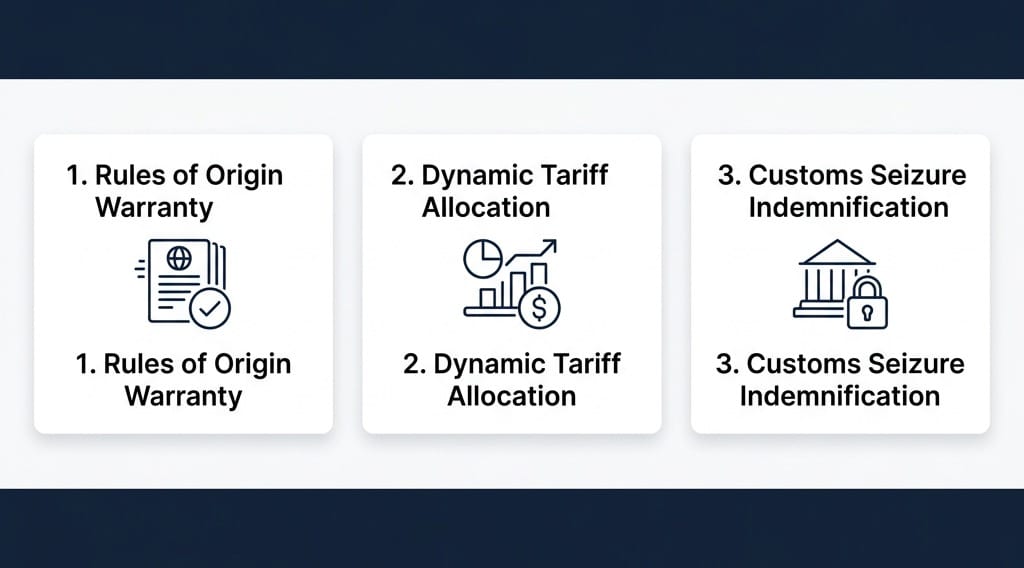
- Contract Action: Review your purchase and distribution agreements. Ensure they contain explicit Rules of Origin Compliance Guarantees from your suppliers and establish dynamic pricing mechanisms that trigger cost-sharing if tariffs are re-imposed or adjusted.
2. The $85 Billion Tariff Refund Fight: Importers Stalled by DOJ Appeal
Following the U.S. Supreme Court’s ruling that the administration exceeded its authority in using the International Emergency Economic Powers Act (IEEPA) to impose broad-based import tariffs, a massive financial battle is playing out. Importers have filed for approximately 20.6 billion, the Justice Department is fighting a class-wide refund order.
The DOJ is appealing a court decision that would force CBP to automatically issue refunds to all 330,000 potentially eligible importers, rather than just the companies that actively filed lawsuits. The next critical date is June 9, 2026, when CBP officials are scheduled to testify regarding the repayment timeline.
The SME Takeaway:
Recovering wrongly collected tariffs will be a prolonged legal battle. For SMEs, wait-and-see is a risky cash-flow strategy.
- Contract Action: Check your historical import records for eligibility. For future shipments, ensure your logistics and customs broker agreements clearly define reimbursement ownership—stipulating who is entitled to collect and keep any government-issued tariff refunds or duties.
3. Canada’s Forced Labor Enforcement: Ramping Up Beyond the Filing Deadline
May 31, 2026, marked the annual reporting deadline under Canada’s Fighting Against Forced Labour and Child Labour in Supply Chains Act. However, the real threat for businesses is no longer the paperwork—it is the physical detention of goods at the border.
Backe by a $617.7 million federal enforcement budget, the Canada Border Services Agency (CBSA) has significantly increased physical inspections and detention actions for imported goods suspected of having forced labor inputs.
The SME Takeaway:
Basic supplier self-attestations are no longer enough to satisfy border officials. If a shipment is detained at a Canadian port, the importer bears the immediate storage costs and downstream client delays.
- Contract Action: Your purchase orders must go beyond simple compliance declarations. Integrate Right-to-Audit clauses allowing you to inspect supplier supply chains, and mandate strict indemnification clauses that hold the supplier financially liable for all costs, fines, and losses if goods are seized or delayed by CBP or CBSA due to compliance investigations.
4. Operationalizing Legal AI: Claude for Legal and the System Integration Era
On the legal technology front, Gartner released an analysis highlighting the recent launch of Anthropic’s “Claude for Legal” open-source platform. With 12 specialized practice plugins and 20 Model Context Protocol (MCP) connectors, the platform represents a “significant inflection point” by allowing AI to interface directly with existing document repositories (like iManage and NetDocuments) and legal search databases. However, Gartner warned that this is not a turnkey solution and requires active integration support.
The SME Takeaway:
AI is moving from a standalone chatbot to a deeply integrated system.
- Contract Action: When purchasing legal AI tools, ensure your agreements contain strict data privacy and sovereignty guarantees, and clearly delineate the vendor’s integration responsibilities.
By utilizing structured, human-in-the-loop contract reviews and keeping up with the rapid pace of trade updates, cross-border SMEs can build resilient contract portfolios that withstand the volatile regulatory environment of 2026.
EqualDocs — Your Digital General Counsel | equaldocs.com