Tariffs, AI Mandates, and the CUSMA Roadshow: Crucial SME Compliance Updates


May 25, 2026
For small and medium-sized enterprises (SMEs) operating across international borders, regulatory and technological landscapes are moving at breakneck speed. From trade agreements reshaping clean energy supply chains to new state mandates on algorithm audits and a vertical arms race in legal tech, staying compliant requires proactive monitoring.
Here is our breakdown of the major legal and compliance developments from the past 48 hours and the “so what” for your business.
1. EU-Mexico EV Tariff Exemption: Clean Energy Supply Chains Reshuffle
On May 22, 2026, the European Union and Mexico finalized updated terms under their bilateral trade agreement, completely eliminating tariffs on electric vehicles (EVs) and automotive batteries. This policy shift is aimed at accelerating clean energy collaboration and bypassing traditional supply chain friction.
The “So What” for SMEs:
If your business is involved in green tech, automotive components, or logistics across Europe and Latin America, this deal presents a major opportunity to optimize import/export costs. However, to qualify for these zero-tariff benefits, companies must strictly comply with updated bilateral rules of origin.
- Action Item: Review your supply and procurement contracts immediately. Ensure you utilize robust Rules of Origin clauses and draft compliant self-certification declarations to prevent unexpected tariff assessments or customs audits.
2. Preparing for the CUSMA Joint Review: Mark Carney’s Wall Street Push
On May 25, 2026, Canadian Prime Minister Mark Carney held high-level investor meetings at the New York Stock Exchange. The primary goal of the roadshow is to position Canada as a stable, indispensable trade partner ahead of the mandatory CUSMA (USMCA) joint review scheduled for July 1, 2026. This comes amid mounting bilateral trade friction and fears of potential tariff escalations.
The “So What” for SMEs:
Cross-border trade between the U.S. and Canada is entering a phase of heightened policy risk. Exporters and distributors must prepare for potential changes to market access, environmental rules, and labor standards resulting from the upcoming review.
- Action Item: Audit all cross-border distribution and sales agreements. It is critical to insert “Change in Law” provisions and transition adaptability clauses that allow for contract renegotiation if USMCA review outcomes disrupt current tariff margins or import quotas.
3. OpenAI Unveils “Codex for Legal”: The Vertical Battle for Enterprise Legal AI
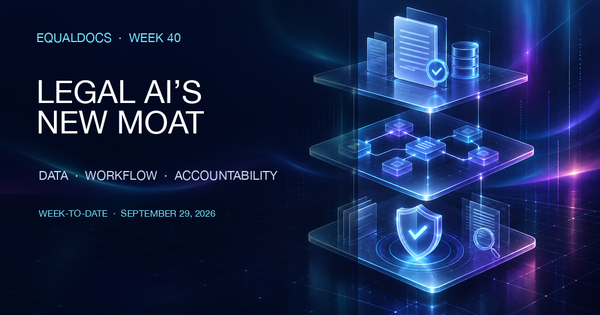
On May 18, 2026, OpenAI announced it is developing “Codex for Legal,” a specialized model designed specifically for corporate legal workflows. This represents a direct competitive counter to Anthropic’s “Claude for Legal” and signals a major shift by frontier model developers away from general-purpose assistants and toward highly verticalized legal AI systems.
The “So What” for SMEs:
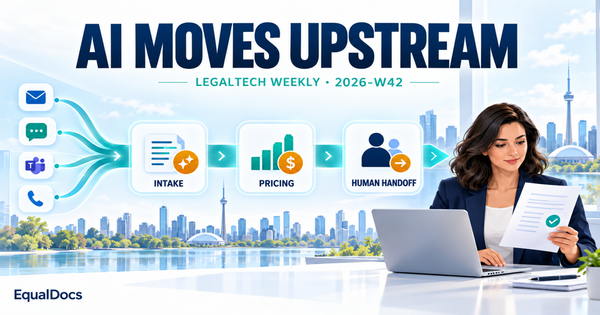
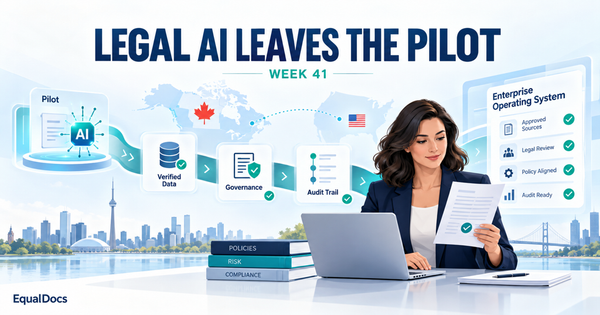
The transition to enterprise-grade, vertical legal AI will make automated contract analysis, risk detection, and legal document drafting highly accessible to SMEs. However, feeding sensitive corporate documents into these models introduces massive data privacy and IP risks.
- Action Item: Update your vendor compliance policies and SaaS procurement templates. Ensure any contract with an AI vendor explicitly guarantees data sovereignty, prohibits the use of your proprietary data for model training, and establishes clear service-level limits to avoid cost overruns on API tokens.
4. Colorado SB 189: Tightening Rules on Automated Decision-Making Technology (ADMT)
On May 14, 2026, Colorado Governor Jared Polis signed SB 189 into law. The bill amends the state’s landmark AI Safety Act (SB 205), which is scheduled to take effect on January 1, 2027. SB 189 refines the scope of regulated systems, focusing specifically on “Automated Decision-Making Technology” (ADMT) used in high-stakes scenarios like employment screening, credit evaluations, and healthcare access.
The “So What” for SMEs:
If you use automated tools or AI integrations to screen job applicants, evaluate creditworthiness, or automate key business decisions, you will face strict compliance mandates by 2027. Businesses must be able to explain how these models make decisions and actively audit them for algorithmic bias.
- Action Item: Audit your software-as-a-service (SaaS) and HR technology agreements. Require software vendors to provide complete algorithm audit logs, clear disclosures, and indemnification against algorithmic discrimination to protect your business from class-action liability.
5. Trade Compliance: The Rise of Tariff Refund Class Actions
Recent rulings holding certain U.S. tariff structures unconstitutional have forced U.S. Customs to accelerate billions of dollars in tariff refunds. However, this has triggered a wave of class-action litigation from consumers accusing importers and distributors of failing to pass down these refund windfalls.
The “So What” for SMEs:
For businesses receiving trade refunds, the financial windfall comes with a hidden litigation trap.
- Action Item: Review end-user terms of service and commercial distribution agreements. Ensure your contracts clearly define whether tariff refunds are retained by the importer or passed to the distributor or customer, shielding your company from consumer-led unjust enrichment claims.
How EqualDocs Can Help
At EqualDocs, we build the digital legal team of the future. Our specialized AI digital employees—including Trade Counsel, Compliance Counsel, and Contract Counsel—are designed to audit, update, and manage your commercial documents in real-time as these global regulations shift.
Whether you need to draft cross-border CUSMA-compliant contracts, update your SaaS agreements to address AI data privacy, or audit your operations for Colorado’s upcoming ADMT regulations, EqualDocs offers instant, lawyer-backed legal operations at a fraction of the cost.
EqualDocs is a technology platform. Legal services are provided by licensed lawyers in your jurisdiction. Learn more at equaldocs.com.