Human-in-the-Loop: Why Legal AI is Moving From “Pure Software” to Professional Accountability

July 16, 2026
The LegalTech landscape is undergoing a massive structural shift. For the past two years, the conversation has been dominated by pure generative AI tools: chatbots, draft generators, and general-purpose LLM interfaces. But as the market matures, the limits of pure software are becoming glaringly obvious. Startups and small businesses are realizing that while AI can draft a contract in seconds, the software company assumes zero liability when a hallucinated clause leads to a costly dispute.
Three major stories this week highlight the industry’s rapid correction toward structured, human-verified legal workflows.
1. The $120 Million Bet on Regulatory Reasoning: Norm Ai’s Series C
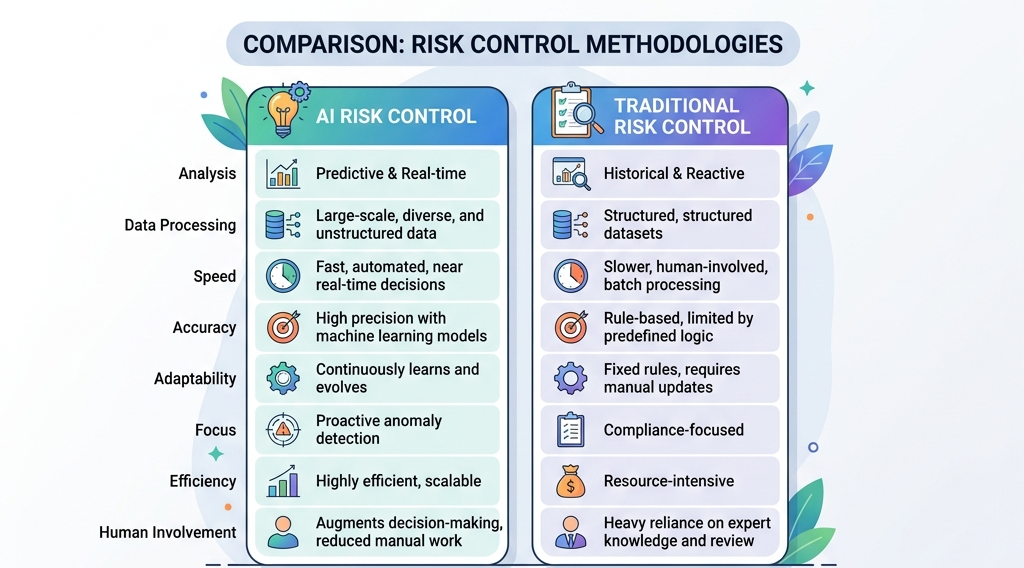
Norm Ai, a platform specializing in embedding legal and regulatory reasoning into AI agents, announced a massive 1.2 billion valuation. Led by Khosla Ventures, this round signals a heavy industry bet on compliance automation. Norm Ai doesn’t just build general chatbots; it builds specialized “Compliance Agents” that analyze financial regulations and flag issues.
So what? While Wall Street and enterprise financial institutions have the capital to fund $100M+ customized agentic compliance architectures, small-and-medium enterprises (SMEs) are left behind. Yet, SMEs face the exact same tightening regulatory compliance audits and partner diligence requests. The gap between enterprise-grade AI risk management and SME manual compliance is wider than ever.
2. Back-Office Automation for Small Law: The Launch of Referent
The team behind AI Lawyer has officially launched Referent, an AI-native legal practice management platform tailored for solo and small law firms. Referent automates administrative back-office work—including client intake, calendaring, document sorting, and matter creation. Importantly, Referent explicitly relies on a “human-in-the-loop” workflow: the AI handles the administrative grunt work, but the human lawyer must review and sign off before any action is executed.
So what? Small law firms spend up to 15 hours per week on non-billable administrative work. Automating these tasks helps small firms lower their overhead, which theoretically should translate to lower fees for clients. More importantly, it reinforces the truth that AI is a tool of acceleration, not a replacement for professional human judgment.
3. Verification over Generation: Smokeball Integrates LawY
Legal practice software provider Smokeball announced the integration of LawY into its “Archie” AI assistant (which sits directly inside Microsoft Word and Outlook). LawY is an AI legal research tool that features a unique, built-in mechanism: it allows lawyers to request human verification of any AI-generated legal answer.
So what? This integration is an industry-wide confession: raw LLM outputs cannot be trusted for critical legal decisions. Even the biggest software vendors are now building human-lawyer verification gates into their AI features because a hallucinated citation or an outdated local rule is a career-ending risk.
The EqualDocs Value Bridge: Software is Not a Shield, Licensed Firms Are
When you use a generic AI contract writer, you must check the terms of service. You will always find a disclaimer: “This is not legal advice. We are not a law firm. Use at your own risk.” In other words: if the AI writes a bad contract that costs your company $50,000, you are entirely on your own.
At EqualDocs, we believe that business compliance shouldn’t come with a disclaimer. EqualDocs (operated by EqualDocs Avocats inc.) is a licensed, insured Canadian law firm. We use proprietary AI workflows to audit, draft, and review contracts at a fraction of the cost of traditional law firms. But unlike software companies, our human lawyers review every output and assume full professional liability.
You get the speed and flat-rate pricing of AI, backed by the peace of mind of a licensed law firm.
Disclaimer: This post is for general educational purposes and does not constitute legal advice.