Sandstone’s $30M Funding, UK’s AI Growth Lab, U.S. Port Fees on Chinese Vessels, and Forced-Labor Tariff Updates

June 14, 2026
For small and medium-sized enterprises (SMEs) managing international logistics and automated legal workflows, keeping pace with regulatory changes and technological consolidation is essential. Today’s brief covers four significant developments: Sandstone’s $30 million Series A funding for in-house legal workflow automation, the UK government’s launch of the AI Growth Lab regulatory sandbox, calls in the U.S. Congress to reimpose port fees on Chinese merchant vessels, and the U.S. Trade Representative’s (USTR) proposed Section 301 tariffs on economies with weak forced-labor protections.
Here is the “so what” for your business and how you should adapt today.
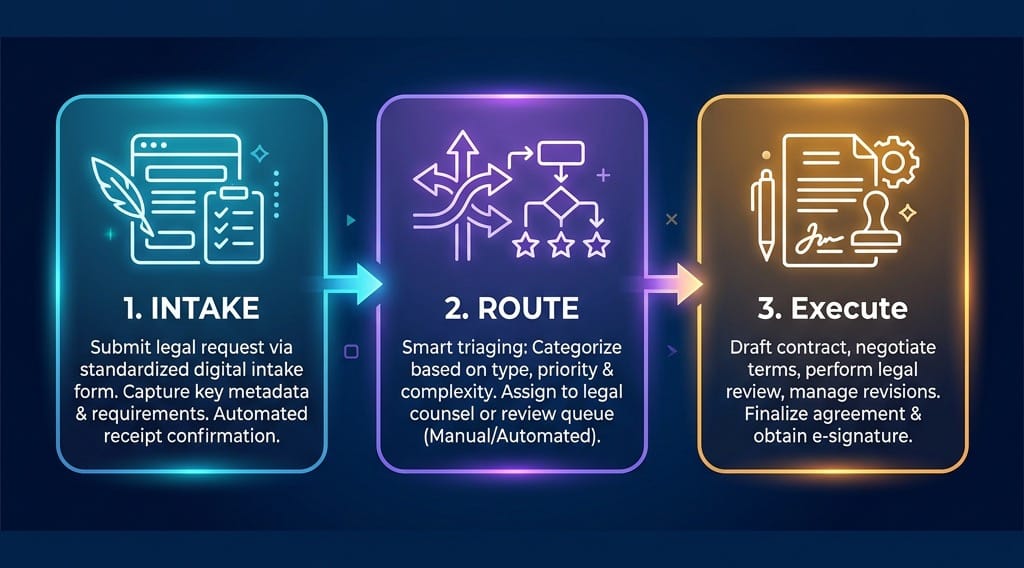
1. Sandstone Secures $30M Series A for In-House Legal Workflows
The News: On June 9, 2026, legal technology startup Sandstone announced it raised 40 million, following a $10 million seed round just six months ago.
The SME “So What”: The legaltech market is shifting from general-purpose AI assistants to workflow-first platforms. Sandstone’s rapid growth shows that SMEs are looking to automate standard routing and triage before introducing complex legal reasoning engines.
- Audit Internal Bottlenecks: Before investing in expensive legal reasoning AI, identify where your contract workflows stall (e.g., initial intake or internal reviews).
- Optimize Workflow Integrations: Choose tools that integrate directly into your team’s existing communication channels (like Slack or email) to reduce software sprawl and accelerate contract turnaround times.
2. UK Government Launches “AI Growth Lab” for Legal AI Sandbox Testing
The News: The UK government, in partnership with the Legal Services Board and the Council for Licensed Conveyancers, announced the launch of the “AI Growth Lab.” This regulatory sandbox provides legal AI developers with a secure testing environment to evaluate and run supervised, real-world trials of breakthrough legal AI software. The lab aims to accelerate market entry while maintaining consumer protections and data security standards.
The SME “So What”: A structured regulatory sandbox indicates that governments are moving toward supervised deployment of legal AI.
- Monitor Approved Tech Lists: Keep track of the AI tools tested and validated within sandbox environments, as these tools are more likely to comply with upcoming AI governance standards.
- Implement Robust Auditing: Ensure your own internal legal AI tools maintain detailed logs of inputs and outputs to prepare for future regulatory scrutiny.
3. Calls Mount in U.S. Congress to Reimpose Port Fees on Chinese Vessels
The News: In mid-June 2026, members of the U.S. Congress, including Senators Elizabeth Warren and Mark Kelly, called on the administration to reimpose Section 301 port fees on Chinese merchant vessels entering U.S. ports. These port fees had been suspended under previous bilateral trade agreements, but growing trade tensions and maritime security concerns are driving a legislative push to reinstate them ahead of the bilateral trade truce’s expiration in November 2026.
The SME “So What”: Reimposing port fees will raise freight costs and cause potential shipping delays for businesses relying on transpacific shipping routes.
- Review Shipping Contracts: Audit your shipping and logistics agreements today. Ensure they clearly define who absorbs municipal port fees or emergency custom surcharges.
- Diversify Shipping Channels: Explore regional distribution hubs and evaluate shipping carriers from non-tariffed nations to hedge against sudden increases in port-of-entry logistics costs.
4. USTR Proposes Section 301 Tariffs Over Forced-Labor Protections
The News: The Office of the U.S. Trade Representative (USTR) has proposed new Section 301 tariffs of 10% to 12.5% on imported goods from 60 global economies found to have inadequate forced-labor protections. The public comment period is open until July 6, 2026, with public hearings scheduled for July 7. This represents a strategic shift in U.S. enforcement policy, moving from case-by-case border seizures to systemic country-wide tariff penalties.
The SME “So What”: Importers must prepare for immediate cost increases on goods sourced from the affected jurisdictions.
- Identify Affected Jurisdictions: Review your global supplier directory against the USTR’s list of 60 target economies.
- Structure Change-of-Law Protection: Update your purchase order terms and supply agreements to include price-renegotiation or walk-away clauses if newly imposed Section 301 duties apply to your shipments after July 2026.
Actionable Strategy Checklist
- For Operations Managers: Focus on integrating legal workflow tools into Slack or Jira rather than buying separate chatbot licenses.
- For Logistics Directors: Audit transpacific shipping agreements and define the allocation of potential new port fees before November.
- For Sourcing Teams: Draft price-adjustment clauses in procurement contracts to hedge against the proposed USTR forced-labor tariffs.
EqualDocs provides automated compliance checks and document workflow templates to help SMEs navigate trade changes and streamline legal operations.
This brief is prepared by the EqualDocs Industry Intelligence Team for informational purposes and does not constitute formal legal counsel.