Forced Labour Import Ban, Anti-Dumping Duties, Relativity’s Gavel Acquisition, and CRTC Telecom Fee Bans


June 13, 2026
For small and medium-sized enterprises (SMEs) managing cross-border supply chains and digital operations, staying ahead of rapid regulatory shifts is vital to protecting margins and maintaining compliance. Today’s brief covers four significant updates: Canada’s newly introduced forced labour import ban legislation, the Canadian International Trade Tribunal (CITT) determination on Chinese non-structural plywood dumping, Relativity’s landmark acquisition of Gavel, and the Canadian Radio-television and Telecommunications Commission (CRTC) new telecom fee ban on mobile and internet contracts.
Here is the “so what” for your business and how you should adapt today.
1. Canada’s Tabled Standalone Bill to Ban Forced Labour Imports
The News: On June 12, 2026, the Canadian federal government tabled a new standalone bill, An Act respecting the prohibition of the importation of goods produced by forced labour. The bill represents a major upgrade to Canada’s import enforcement framework, shifting the burden of proof to importers for products placed on a newly established high-risk public list. This legislative push follows criticism from the United States Trade Representative (USTR) regarding Canada’s enforcement of forced labour import bans, which had prompted threats of a 10% tariff on Canadian exports.
The SME “So What”: Cross-border businesses must prepare for a significant increase in customs audit scrutiny. Once a product category is placed on the high-risk list, the importer has the sole legal burden of proving the supply chain is free of forced labour to avoid immediate border seizure.
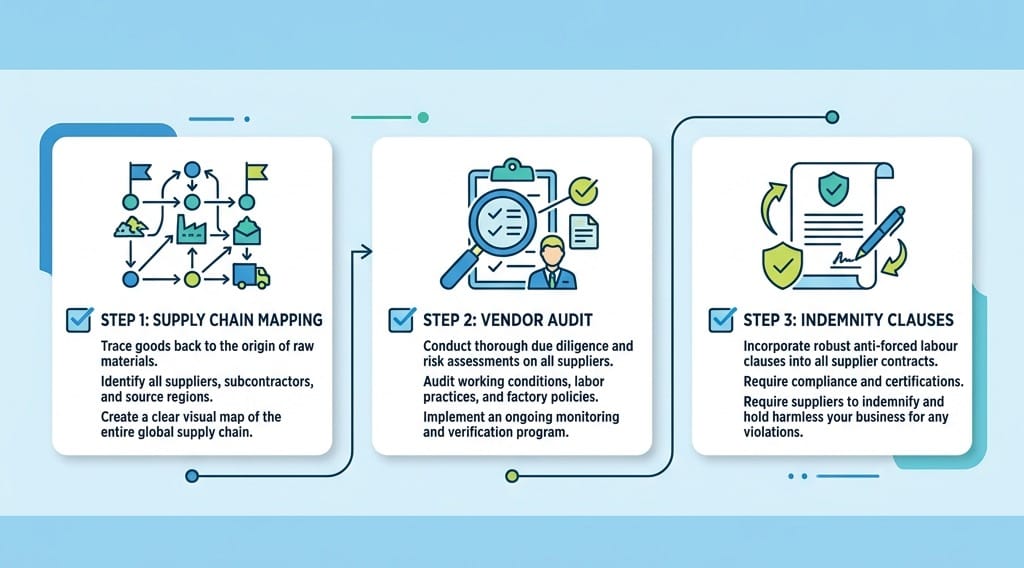
- Trace Your Supply Chains: Importers can no longer rely on passive vendor assurances. You must request and document detailed maps of raw material sourcing and manufacturing.
- Strengthen Import Agreements: Insert strict Forced Labour Compliance and Indemnity Clauses in supply agreements. Vendors should represent that no materials originate from high-risk regions and agree to indemnify the importer for any border seizures, inspection delays, or associated legal costs.
2. CITT Determinations Against Chinese Plywood Dumping
The News: On June 9, 2026, the Canadian International Trade Tribunal (CITT) issued a preliminary determination in Case PI-2026-001. The tribunal found a “reasonable indication” that the dumping and subsidizing of decorative and other non-structural plywood originating from China has caused or threatens to cause material injury to the Canadian domestic industry. The Canada Border Services Agency (CBSA) is set to issue its preliminary determinations by July 9, 2026, which could immediately trigger provisional anti-dumping and countervailing duties.
The SME “So What”: SMEs sourcing plywood products for construction, cabinetry, or furniture manufacturing must anticipate substantial cost increases starting next month.
- Re-Evaluate Sourcing Options: If your business imports decorative or non-structural plywood from China, begin identifying domestic or alternative international suppliers to hedge against retroactive or provisional duties that may be applied as of July 9.
- Renegotiate Supply Terms: When drafting future supply contracts, include Price Escalation and Termination Clauses linked to anti-dumping duties, allowing you to walk away or adjust pricing if custom duties exceed a specified percentage.
3. Relativity Acquires Gavel to Integrate AI-Native Document Automation
The News: On June 12, 2026, Relativity, a giant in legal data intelligence, announced its acquisition of Gavel, an AI-native legal technology startup. The acquisition will allow Relativity to integrate Gavel’s advanced document automation and drafting capabilities directly into Microsoft Word and the RelativityOne platform. This follows Clio’s acquisition of Canadian AI data company Jurisage earlier this week, signaling a massive consolidation wave in legaltech toward workflow-integrated platforms.
The SME “So What”: The legaltech industry is moving away from standalone AI chatbots toward “ambient AI”—tools embedded in everyday software like MS Word.
- Evaluate Workflow Efficiencies: Instead of buying separate AI licenses, businesses should look for integrated features within their existing enterprise platforms. Leveraging these native features will reduce software sprawl and security vulnerabilities.
- Focus on Structured Data: Ambient AI tools require well-organized corporate templates and contracts. Establish a structured legal document repository to maximize the efficiency of AI-native document generation.
4. CRTC Bans Hidden Fees in Cellphone and Internet Contracts
The News: Under the CRTC’s Telecom Regulatory Policy 2026-43, new rules came into effect on June 12, 2026, that outlaw specific administrative fees in telecom contracts across Canada. Providers are now strictly prohibited from charging activation fees for new plans, modification fees for altering existing plans, and early cancellation fees for customers who do not have a subsidized device tied to their contract.
The SME “So What”: This policy lowers the barrier for SMEs to optimize their business operations and switch underperforming telecom providers.
- Audit Your Business Telecom Bills: Review your current accounts for any activation or contract modification fees charged after June 12, 2026. These charges are now illegal and must be credited back.
- Negotiate Better Terms: Since early cancellation fees are banned on non-subsidized device contracts, SMEs have greater leverage to negotiate flex-billing options or transition to competing providers offering superior terms.
Actionable Strategy Checklist
- For Importers: Map your supply chains and insert forced labour indemnification clauses in import agreements.
- For Sourcing Managers: Establish contingency sourcing for plywood products before the CBSA preliminary duties take effect on July 9.
- For Telecom Buyers: Review telecom invoices for banned activation, modification, or early cancellation charges.
EqualDocs provides instant, AI-driven compliance checks and contract review templates to help SMEs stay compliant and protect cross-border margins.
This brief is prepared by the EqualDocs Industry Intelligence Team for informational purposes and does not constitute formal legal counsel.