Agentic Compliance & AI Sovereignty: Legal Tech Reaches a Crossroads

Meta Description: Shield launches autonomous Alert Closure Agent for communication surveillance compliance; the legal sector embraces “AI Sovereignty” to escape US frontier model reliance; tech giants pressure legal AI startups; publishers sue OpenAI/Microsoft.
Autonomous Resolution: Shield Unveils Alert Closure Agent
Digital communications surveillance and compliance provider Shield has announced a major upgrade to its AmplifAI suite with the launch of its Alert Closure Agent and Language Expansion Agent.
For compliance teams in highly regulated sectors like financial services, alert fatigue is a persistent bottleneck. Traditionally, automated tools only flag potential issues, leaving compliance officers to manually review, verify, and close thousands of low-level alerts daily. Shield’s new Alert Closure Agent changes this by autonomously assessing and resolving Level 1 alerts.
Importantly, the agent operates under a “governed compliance” framework. Instead of acting as a black box, every autonomous resolution generates an explainable, auditable, and defensible rationale. The Language Expansion Agent also expands surveillance capabilities to over 100 languages, ensuring global operations remain compliant under scrutiny from bodies like FINRA and the SEC.
“AI Sovereignty”: Legal Tech Pushes for Independence
A tech-cultural shift toward “AI Sovereignty” is rapidly gaining traction in the global legal tech sector. Industry discussions—most recently highlighted by Artificial Lawyer and panels at the Legal Innovators Europe conference in Paris—reflect deep concern among law firms and corporate legal departments regarding over-reliance on US-based frontier models (such as OpenAI, Anthropic, or Google).
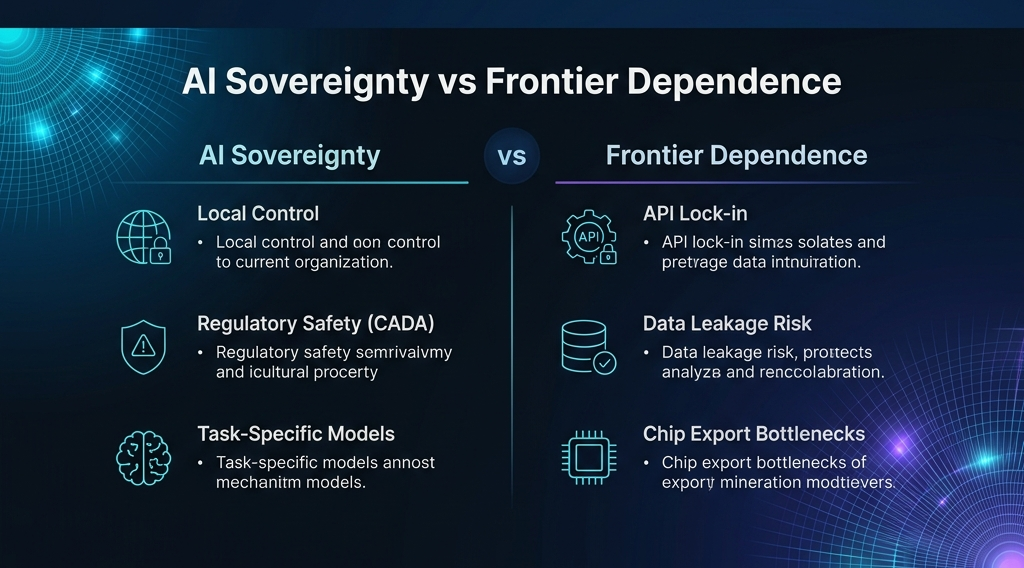
AI Sovereignty is the practice of deploying localized, regional, or open-source Large Language Models (LLMs) to ensure strategic independence, protect proprietary data, and circumvent regulatory issues. This movement is driven by:
- Supply Chain Risks: Concerns that US chip export rules or provider lockouts could disrupt access to critical AI infrastructure.
- Regulatory Parity: The EU’s newly adopted Cloud and AI Development Act (CADA) on June 3, 2026, which forces public institutions to audit the sovereignty of cloud providers.
- Data Control: Large legal entities, such as Thomson Reuters, training and using their own open-source models trained on curated, proprietary legal data rather than relying entirely on third-party APIs.
Existential Crisis: General AI Giants Pressure Legal Startups
Venture-backed legal AI startups are facing intense market pressure as “frontier” AI companies increasingly treat legal reasoning and document analysis as core domains of general artificial intelligence.
According to industry analyses published by Forbes, specialized legal startups that merely act as wrappers around basic API models face a high risk of consolidation. Experts suggest that to survive, legal tech startups must move beyond selling product features and focus heavily on deep integration into existing enterprise legal workflows, billing systems, and client outcomes.
However, a strong market remains for specialized, task-specific models that offer higher precision on narrow tasks like contract parsing at a fraction of the cost of running massive frontier models.
Copyright Clashes: 400 Newspapers Sue OpenAI & Microsoft
The legal risk surrounding training data has escalated. On June 24, 2026, a nationwide coalition of publishers representing nearly 400 local and regional U.S. newspapers filed a major copyright infringement lawsuit against OpenAI and Microsoft in Manhattan federal court.
The publishers, led by Richner Communications, allege that the tech companies systematically and secretly scraped paywalled local news content to train ChatGPT and Copilot. Concurrently, The New York Times amended its existing complaint against the defendants, presenting a new legal theory that Microsoft intentionally built bespoke supercomputers specifically to facilitate copyright infringement rather than acting as a neutral cloud provider.
Sources
- The National Law Review: Shield Launches Alert Closure Agent for Communications Surveillance (June 29, 2026)
- Artificial Lawyer: AI Sovereignty: Taking Control of Your Legal Tech Future (June 29, 2026)
- Forbes: Frontier Models Pressure Specialized Legal Tech Startups (June 2026)
- Courthouse News: Local Newspapers Sue OpenAI and Microsoft Over Paywall Scraping (June 24, 2026)