Sovereign Infrastructure and Fine-Tuned Models: The Next Stage of Legal AI Adoption

Meta Description: Mistral AI releases its specialized Mistral Legal model variant; European law firms accelerate migration to local sovereign AI clouds; General-purpose frontier models clash with specialized legal tech systems of record.
The legal artificial intelligence market is entering a new phase of maturity. The initial era of testing general-purpose models for basic document drafting is giving way to a structured focus on data sovereignty, domain-specific fine-tuning, and workflow auditability.
This week, two major announcements in Europe, coupled with shifting purchasing patterns among Fortune 1000 legal leaders, highlight this transition. Here is what these updates mean for corporate compliance and tech procurement.
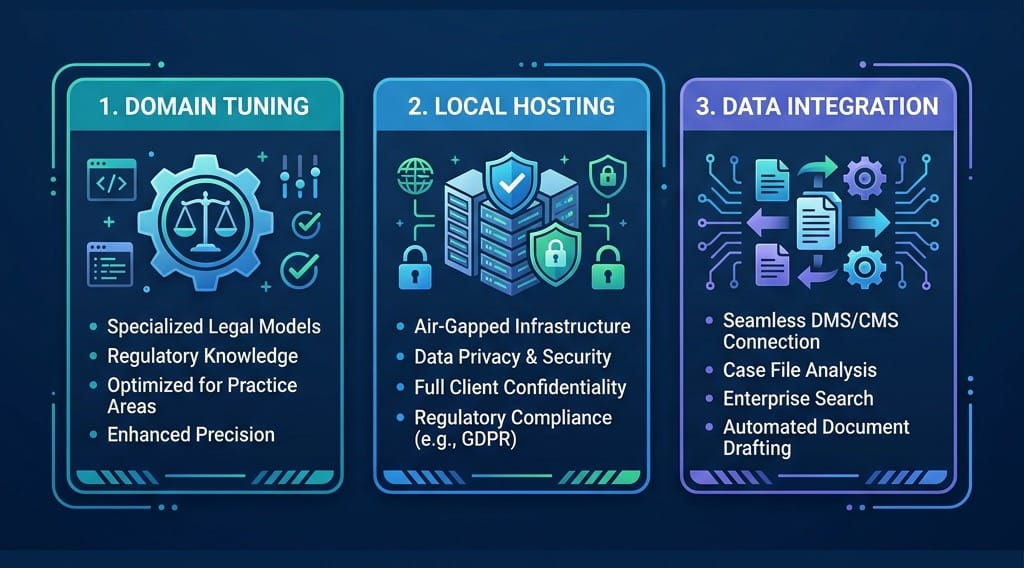
1. Domain Specialization: Mistral AI Launches “Mistral Legal”
European AI champion Mistral AI has released two specialized model variants: Mistral Legal and Mistral Medical. These models are fine-tuned versions of Mistral’s latest base models, incorporating massive, domain-specific datasets and custom safety alignments designed to reduce hallucinations in professional contexts.
Unlike typical enterprise SaaS offerings that require expensive annual subscriptions, Mistral Legal is available directly via API with per-token, consumption-based pricing.
The “So What” for SMEs:
For businesses building custom internal workflows, Mistral Legal offers a highly cost-effective, high-precision alternative to general models. Fine-tuned models perform better at specific tasks—such as extracting clauses from complex agreements or cross-referencing regulatory texts—while using fewer parameters. This translates to lower API bills and faster response times for corporate development teams.
2. The Rise of “Sovereign AI” in European Legal Practice
In tandem with Mistral’s model release, European law firms and enterprise legal departments are accelerating their migration to Sovereign Legal AI cloud infrastructures (such as Noxtua and local European cloud hosts).
This migration is driven by a fundamental regulatory challenge: under the U.S. Cloud Act, U.S.-based cloud providers can be compelled to turn over data to U.S. authorities, regardless of where the servers are physically located. For European law firms, this creates a major risk of violating professional secrecy and client confidentiality rules. By moving to fully European-owned and operated infrastructure, firms ensure that sensitive judicial filings and corporate files remain strictly within local jurisdictions.
The “So What” for SMEs:
If your business operates in Europe or handles data from European citizens, you must review where your AI systems are hosted. Relying on U.S.-hosted general models to process European employee records or litigation documents can violate local data sovereignty laws. Transitioning to sovereign, localized models is increasingly becoming a mandatory compliance step.
3. General-Purpose vs. Specialized Legal Tech: The Shift in Buying Criteria
As AI adoption shifts from experimentation to execution, corporate legal departments are changing how they evaluate AI vendors. Historically, procurement teams compared tools based on raw LLM benchmark scores.
Today, buyers are focusing on a different set of criteria:
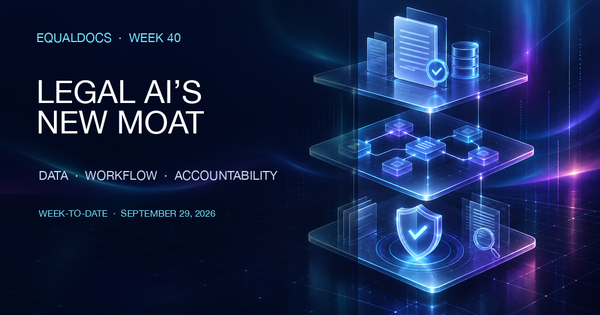
- Data Integration: How easily can the tool clean, index, and query the company’s internal document history?
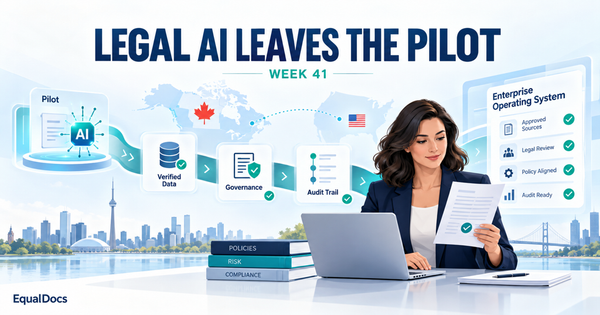
- Audit Trails: Does the tool provide a clear, step-by-step history of how it reached a compliance conclusion?
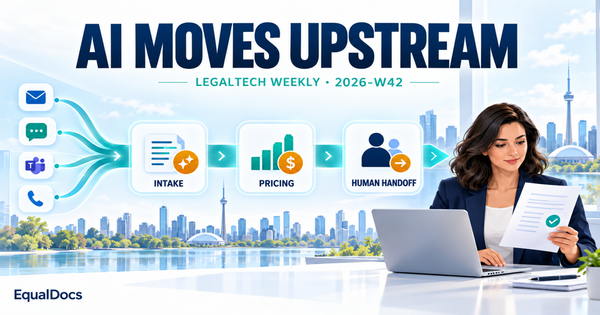
- Workflow Orchestration: Can the system automate multi-step processes—such as client intake and initial contract reviews—with reliable human-in-the-loop checkpoints?
The “So What” for SMEs:
When purchasing AI software for contract management or compliance, do not be swayed by generic marketing claims about model intelligence. Instead, ask vendors how their system handles data indexing and whether it provides verified audit trails. A model is only as useful as the quality of the internal data it is allowed to read.
Key Action Checklist for Businesses
- Map Data Flows: Identify where your contract review and compliance AI systems host their data. Ensure that sensitive business information is not being stored in jurisdictions that violate local compliance rules.
- Evaluate Specialized Models: If you use API integrations, test domain-specific options like Mistral Legal to compare performance and API costs against general-purpose models.
- Prioritize Auditability: Ensure that any legal tech platform you procure provides a clear citation history for its findings, allowing your team to verify outputs before execution.
For instant, expert compliance guidance and automated document review, visit EqualDocs.