Navigating the Mid-2026 Regulatory Wave: From Section 232 Tariff Reliefts to Authorized AI Law Firms

June 19, 2026 | By EqualDocs Editorial Team
As we navigate the middle of June 2026, cross-border businesses and small-to-medium enterprises (SMEs) face a rapidly changing legal and regulatory landscape. From sudden tariff adjustments and high-stakes trade disputes to landmark privacy overhauls and the rise of licensed AI legal providers, keeping pace with global compliance requires proactive legal drafting. Here are the four major updates from this week and what they mean for your operations.
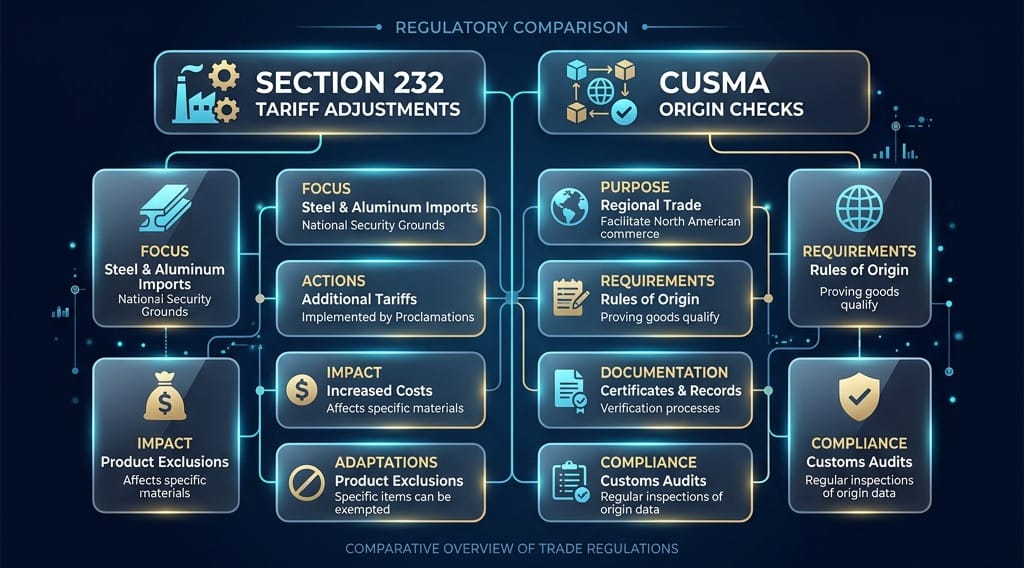
1. Section 232 Tariff Relief Comes with Strict Traceability Hooks
Effective June 8, 2026, the U.S. government implemented key modifications to the long-standing Section 232 tariffs on steel, aluminum, and copper. In a positive turn for Canadian manufacturers of agricultural machinery, heavy construction equipment, and specific HVAC (heating, ventilation, and air conditioning) systems, certain exemptions and tariff reliefs have been introduced.
The Catch: This relief is not automatic. To qualify, exporters must navigate complex CUSMA (USMCA) regional value content calculations and undergo strict country-of-origin audits.
So What for SMEs? If your business relies on cross-border supply chains, do not assume your shipments are exempt. You must update your master purchase and supply agreements. We recommend inserting strict Origin Traceability Clauses requiring upstream suppliers to provide verifiable raw material tracking documentation within a set timeframe. Additionally, add indemnification terms protecting your firm from back-taxes if a supplier’s documentation fails a customs audit.
2. The $166 Billion Refund Fight: Do You Own Your Tariff Rights?
The multi-billion-dollar legal battle over historic U.S. tariffs under the International Emergency Economic Powers Act (IEEPA) has escalated. The U.S. Department of Justice recently appealed a Court of International Trade (CIT) ruling that ordered the government to refund approximately $166 billion in over-collected tariffs to importers.
The Legal Friction: While the final payout remains frozen during the appeal, this dispute highlights a significant legal vulnerability for SMEs. In many cross-border setups, tariffs are paid through custom brokers, third-party logistics (3PL) providers, or local importers of record. If the court eventually forces refunds, who gets the cash?
So What for SMEs? Audit your shipping and customs brokerage agreements immediately. Ensure you include a Refund Rights Assignment Clause stating that any tariffs refunded by CBP belong exclusively to the actual payer (your business), rather than the broker or importer of record who technically routed the payment.
3. Superlegal and the Era of the Authorized “AI Law Firm”
In legal tech, a major milestone has been reached. Superlegal has officially launched as a licensed “AI Law Firm” under the Utah Supreme Court’s Legal Services Innovation Sandbox. Unlike typical AI contract review software, which is restricted to acting as a tool for human lawyers, Superlegal is authorized to directly practice law. By blending AI-driven automation with attorney oversight, they offer rapid commercial contract reviews (e.g., service agreements, subcontracts) in under 24 hours, with rates starting at $117.
So What for SMEs? This is a game-changer for startups and growing businesses. Traditionally, SMEs have bypassed professional contract reviews due to prohibitive legal fees, exposing themselves to massive operational risks. The sandbox-authorized AI law firm model democratizes access to legal protection, allowing you to secure professional review for daily business agreements at a fraction of standard cost.
4. Canada’s Bill C-36 Overhauls Private-Sector Privacy Rules
On June 15, 2026, Canada introduced Bill C-36, also known as the Protecting Privacy and Consumer Data Act (PPCDA). Designed to replace outdated portions of PIPEDA, the bill sets much higher bars for user consent—especially regarding children’s data—and grants the regulator sweeping audit powers along with the authority to levy severe administrative monetary penalties.
So What for SMEs? If your business collects or processes data from Canadian users, your privacy policies and Data Processing Agreements (DPAs) need an immediate refresh. Ensure your vendor contracts contain strict DPA Indemnity Clauses, holding third-party processors fully liable for any regulatory fines arising from their security breaches or non-compliant handling.
Secure Your Business with EqualDocs
Global trade and regulatory frameworks are tightening, but AI-powered tools are advancing just as fast to help you manage the load. At EqualDocs, we keep your business protected with automated contract intelligence, draft reviews, and live compliance updates.
Protect your company’s interests. Visit equaldocs.com to automate your general counsel today.